Choosing the Right Hay for Your Farm
When it comes to hay storage and feeding, the debate between round bales and square bales is a common one among farmers and livestock owners. Each type of bale has its unique advantages and drawbacks, depending on your farming needs, storage capabilities, and feeding practices. This article will compare round bales and square bales, helping you make the best decision for your operation.
Understanding the Basics
What Are Round Bales?
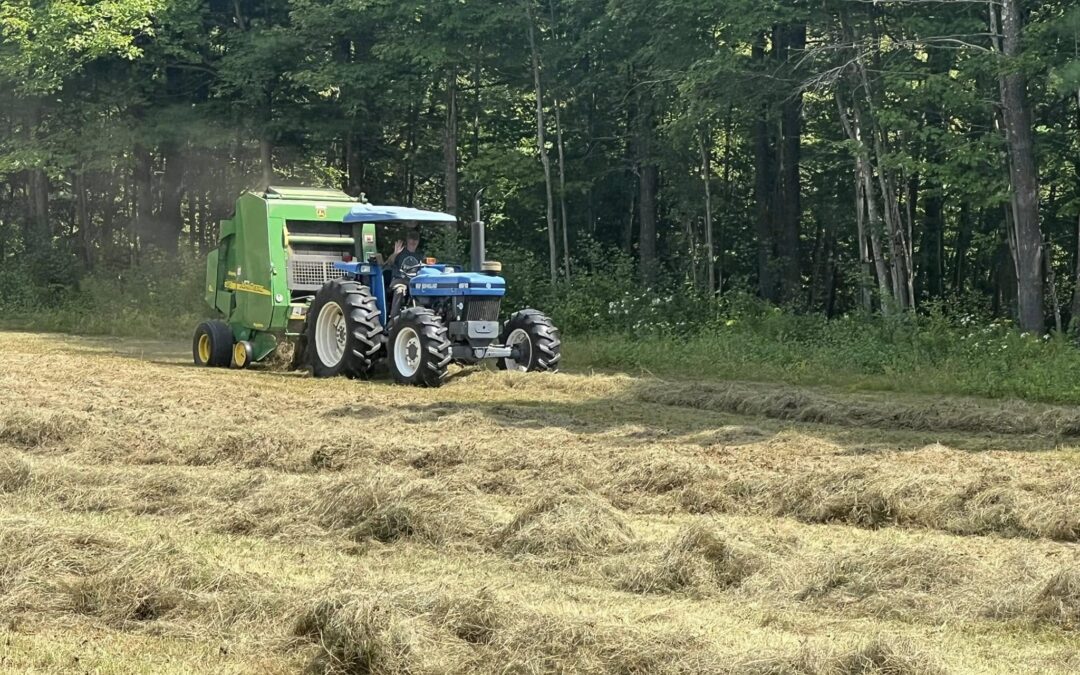
Round bales are large, cylindrical bales of hay, typically weighing between 500 to 1,200 pounds, depending on their size and density. They are created using specialized baling equipment and are often used on larger farms due to their size and efficiency in production.
What Are Square Bales?
Square bales, often called small square bales, are rectangular in shape and generally weigh between 40 to 80 pounds. These bales are popular among smaller farms and hobby farmers for their ease of handling and versatility.
Advantages of Round Bales
1. Time and Labor Efficiency
- Production: Round balers are highly efficient, producing large quantities of hay quickly.
- Feeding: Round bales can be fed directly in the field, reducing the need for manual labor.
2. Cost-Effective for Large Operations
- Lower Cost per Pound: Producing round bales is often more economical on a large scale.
- Reduced Handling Needs: Fewer bales mean less time spent on transportation and stacking.
3. Weather Resistance
- Round bales can shed water more effectively due to their shape, making them better suited for outdoor storage (although proper covering is still recommended).
Disadvantages of Round Bales
1. Storage Challenges
- Space Requirements: Round bales require significant storage space and are harder to stack efficiently.
- Moisture Issues: Improper storage can lead to spoilage, especially in humid climates.
2. Feeding Control
- Waste: Livestock may waste more hay when feeding from round bales compared to square bales.
- Portion Control: It’s harder to regulate the amount of hay fed to animals.
Advantages of Square Bales
1. Ease of Handling
- Smaller Size: Square bales are easier to handle manually, making them ideal for smaller farms or operations without heavy equipment.
- Customizable Feeding: Allows for precise portion control when feeding livestock.
2. Versatile Storage Options
- Efficient Stacking: Square bales can be neatly stacked in barns or sheds, maximizing storage space.
- Transport Flexibility: Their size and shape make them easier to transport in smaller vehicles.
3. Quality Preservation
- Protection: Properly stacked square bales are less prone to spoilage, especially when stored indoors.
Disadvantages of Square Bales
1. Labor Intensive
- Production: Producing square bales can be slower and more labor-intensive.
- Feeding: Requires more manual labor to feed livestock compared to round bales.
2. Higher Cost for Large-Scale Operations
- Cost per Pound: Square bales are generally more expensive to produce and handle on a large scale.
- Frequent Handling Needs: Smaller size means more bales to transport and stack.
Which Bale Type is Right for You?
Considerations for Choosing Round Bales
- Farm Size: Round bales are ideal for larger farms with ample storage space and heavy equipment for handling.
- Livestock Numbers: If you have a large herd, round bales provide an efficient feeding solution.
- Budget: Lower production costs make round bales a cost-effective option for large-scale operations.
Considerations for Choosing Square Bales
- Ease of Handling: Square bales are perfect for smaller farms or operations without machinery.
- Storage: If you have limited storage space or indoor facilities, square bales offer a practical solution.
- Feeding Precision: Ideal for farms where portion control is crucial, such as horse stables.
Conclusion
Both round bales and square bales have their place in hay production and feeding practices. The right choice for your farm depends on your specific needs, including farm size, livestock requirements, and available resources. By understanding the pros and cons of each bale type, you can make an informed decision that ensures optimal efficiency and quality for your operation.
FAQs
- Are round bales or square bales better for horses?
- Square bales are often preferred for horses due to better portion control and reduced waste.
- How long do round bales last in storage?
- Properly stored round bales can last up to a year or more, but exposure to moisture can reduce their quality.
- Can round bales be stored outside?
- Yes, round bales can be stored outside, but it’s recommended to cover them with a tarp or store them on pallets to minimize spoilage.
- What equipment is needed to handle round bales?
- Tractors with front-end loaders or bale spears are typically used to move round bales.
- Which is more cost-effective for small farms?
- Square bales are generally more practical for small farms due to their ease of handling and storage flexibility.